4 weeks 2 days

JR Expedition 323: Bering Sea Paleoceanography

No public posts in this group. You must register or login and become a member in order to post messages, and view any private posts.

TODAY'S POSITION

Want to ask a question about Expedition 323 or life at sea? You can do that right here.

Why this Expedition?

Over the last 5 million years, there was a dramatic shift in climate from global warmth to an ice age state with glaciations reoccurring every 100 - 40 thousand years. The causes of this shift and of the oscillating glacial cycles are not well understood. Expedition 323 to the Bering Sea will collect sediments from this relatively isolated sea that can be used to examine the extent and causes of these past climate changes.

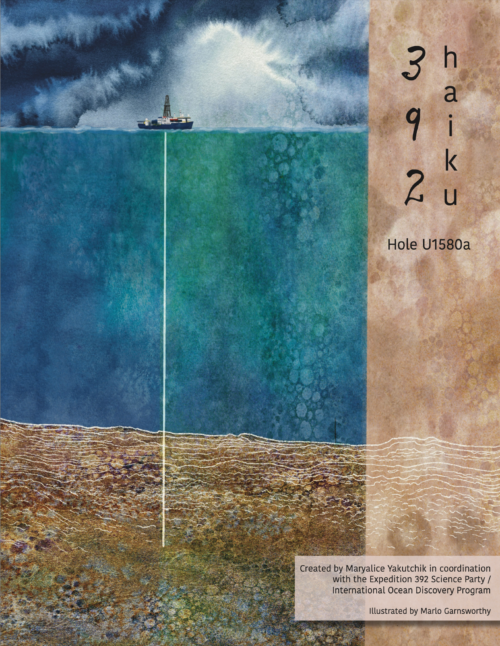
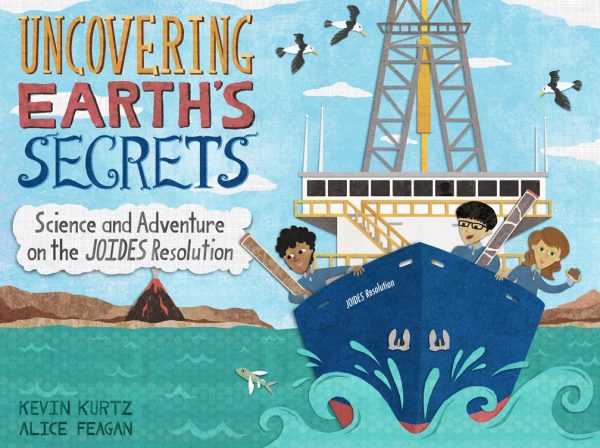
Far below the destructive forces of weather, on the ocean floor, there are sediments that record the history of the past climate changes. The fossils of life forms within the collected sediments that rest on the ocean floor are the basis of paleoceanographic studies. But how do we get to these sediments? THE JR and her Integrated Ocean Drilling Program sister ships are specially designed to sample the ocean’s microfossil record. During Expedition 323 a team of about 35 scientists, 25 technicians and the 60 members of the crew of the JR are working together to drill and study cores of sediment around 7 sites in key locations in the Bering Sea.

 
Co-Chief Scientists: Christina Ravelo and Kozo Takahashi
 
Staff Scientist: Carlos Alvarez-Zarikian

Logging Staff Scientists:
Gilles Guerin and Tanzhuo Liu
 
 
DATES:
Expedition 323:  5 July - 4 September 2009
 
 
BLOGS:
In addition to our own blogs, several expedition scientists will post their experiences on other sites.  
 
Hirofumi Asahi, a sedimentologist with the Ocean Research Institute at the University of Tokyo, Japan and his colleagues blog in Japanese at: http://blog.canpan.info/hadeep/
 
Dr. Sev Kender, a micropaleontologist from the British Geological Survey is blogging on his experiences as part of 323 at
.