Blogs

The story continues

The initial intent of the CORK was to develop a way to collect in situ data about the fluids that travel in the deep sea sediments and rock. In order to get an accurate picture of what is going on in the subseafloor environment, there was a need to engineer a tool that could prevent sea water to flow in and allow the natural processes to restore to normal …hence the CORK idea.

A napkin was the key to the invention of the CORK

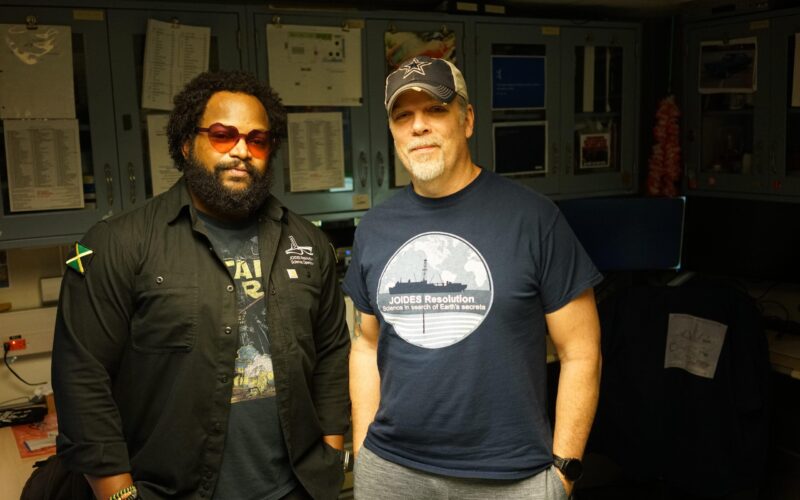
Twenty four years ago, the idea of a CORK was sparked and first recorded on a dinner napkin as a sketch..yes, a dinner napkin. We are fortunate to be onboard with two of the scientists who were responsible for concocting the idea back in 1989-Earl Davis and Kier Becker. A third member of the trio is Bob Carson.

Like a gannet

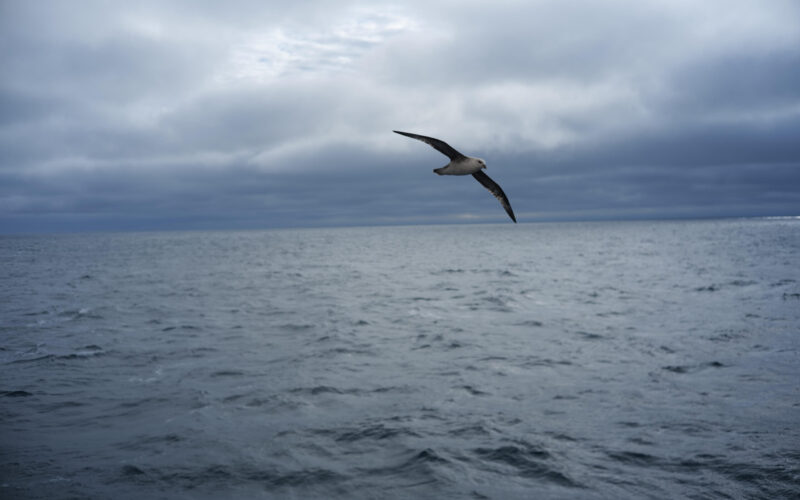
Australasian gannets were the topic last week at the National Aquarium Royal Society lecture by Dr. Gabriel Machovsky- Capuska, research fellow in Nutritional Ecology at Sydney University.  Australasian gannets occur in southern Australia and New Zealand. 

Bon Voyage!

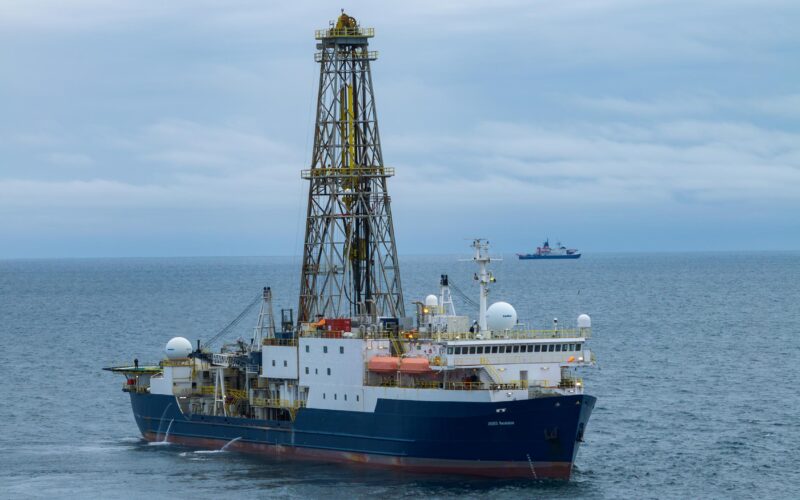
We just set sail from Esquimalt Harbor, near Victoria BC and are heading to sea to try to recover and replace a scientific device known as a CORK. Originally placed in the seafloor 1991 in the ridge valley spreading ridge between the Pacific and Juan de Fuca plates, this CORK device gathered interesting and useful data for many years before succumbing to the harsh conditions at this location.

Dial M...for MICROBE!

Jordon’s log. May 19th, 2013. We’re smack dab in the middle of day two. Tensions are high…cookie break was almost forgotten. Yes, having a cookie break everyday at 9 and 3 isn’t the only thing scheduled on our mission on the JOIDES Resolution. From 7:30 AM on it’s a non-stop borage of learning. So fast and furious that Vin Diesel himself would wet his pantaloons.

We're not in Nebraska anymore Toto

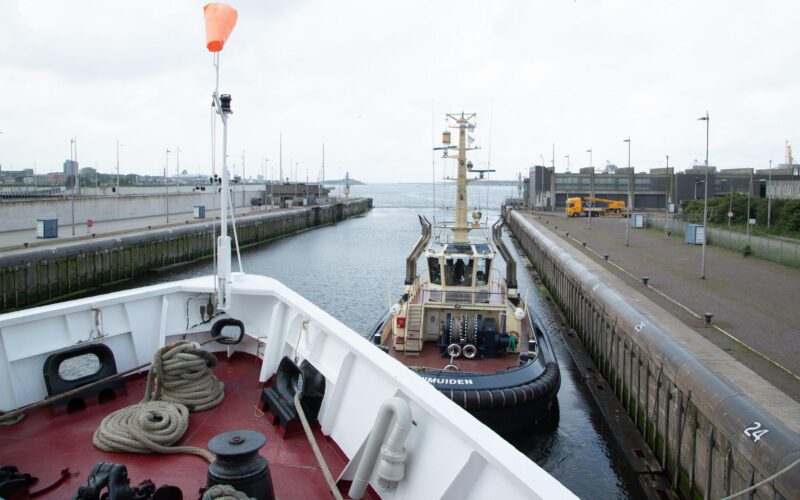
Jeff's first blog from the School of Rock. Anchors away. Bringing the North Pacific seafoor to the Ogallala aquifer. Here we go School of Rock 2013. Getting ready for the trip of a lifetime. We are currently sitting at the dock in Esquimalt Bay, Victoria, BC, Canade. We have spent the last 2 day getting used to the ship and learning all about JOIDES Resolution research ship.

You THINK you know, but you don't know ('cause if you did, you wouldn't be doing it that way)!

Mary Lou's entry: Several years ago, I realized that there was a disconnect between the way in which teachers explain to their students how science works, and how science really works.

Bullseye!

Earthquakes and tsunamis are great motivators, as are the pursuits. These are the reasons why a lot of time and resources have gone into studying the seismic, geodynamic, and hydrothermic systems in the Pacific Northwest.

All Aboard!!!

So the experience finally begins.... After months of planning and anticipation I am finally sitting on the JOIDES Resolution research vessel.  We are currently in dock in Victoria, British Columbia anticipating setting sail 8:00 am Monday morning, May 20th.

Bag of Rocks: Turns Out They're Not That Dumb

Jordon's log. May 18th, 2013. It's the first full day aboard the science research vessel, the JOIDES Resolution. It's mission: take core samples from the deepest regions of the sea and analyze them for valuable information concerning climate change, the earth's history, and what living things dwell 2 miles below in the cold dark sediment.

Syndicate content