Educators at the Core of Interpreting Science
The study of ocean sediment cores has been going on for over 50 years. The layers of mud, sand, and rock on the ocean floor hold a record of microfossils and magnetic and chemical signatures that reveal Earth’s climate cycles, tectonic plate movement, and other significant changes throughout Earth’s history. As of June 2024, there were 42,745 publications* using ocean core data collected by IODP and its predecessor programs (DSDP and ODP)! And IODP has had outreach programs for teachers since 2005, namely School of Rock, which resulted in the production of over 150 educational resources, including posters, children’s books, activities, and lessons, which can be accessed on the JOIDES Resolution for Educators website, as well as the the K-12 Resources page housed by the American Geosciences Institute.

And this legacy continues. At the Gulf Coast Repository (GCR), IODP’s newest program, Ocean Core Teacher/Research and Curriculum Experience (Ocean Core TRACX), has teachers doing more than observing—they’re actively partnering with scientists to and collect new data sets from ocean sediment cores housed at the GCR. By interpreting the data alongside scientists, educators are helping with both real-world research and the development of lessons that turn abstract concepts into tangible learning experiences for students.
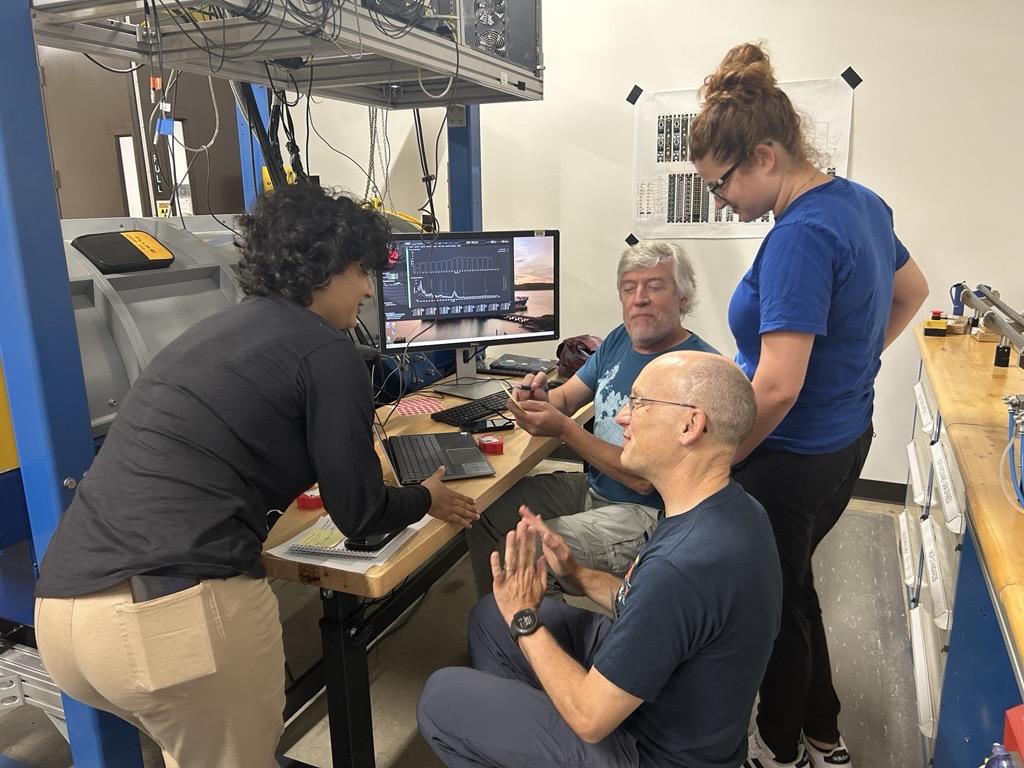
Through these lessons, students can explore the same questions scientists ask, such as: How can sediments tell the story of past climates? What can tiny fossils tell us about past ocean conditions? How can different lines of evidence be used together to study Earth’s history? Through hands-on activities and classroom investigations, teachers can help students see themselves as investigators of the Earth.
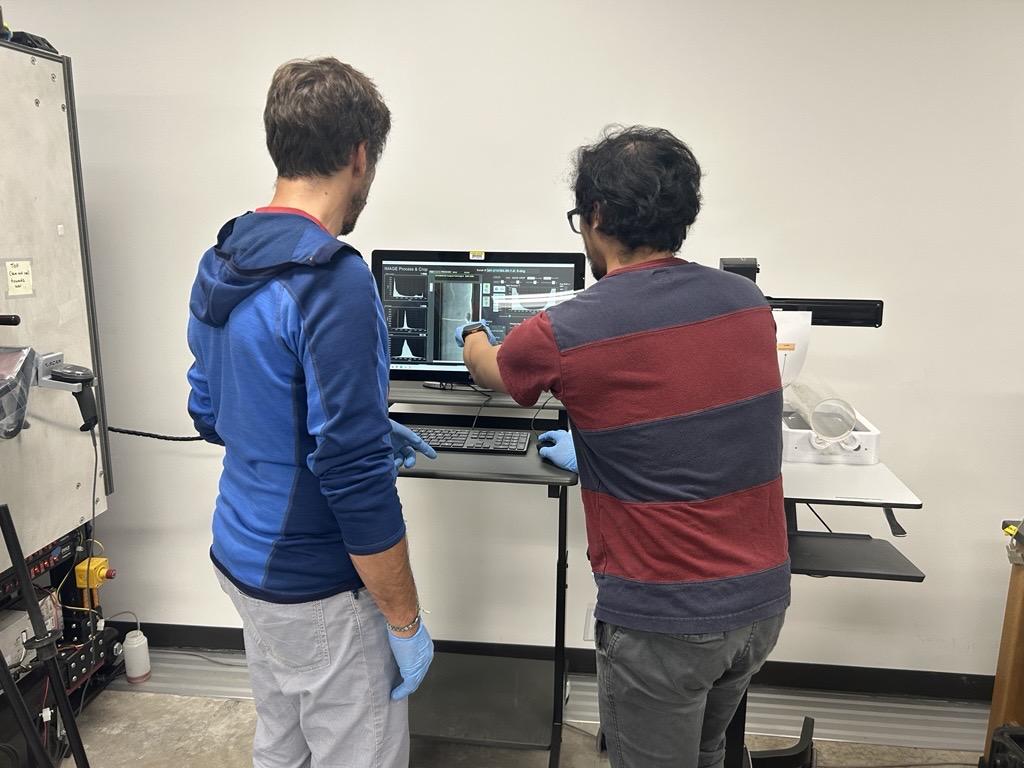 This partnership highlights a vital role: teachers are interpreters of science. They bridge the gap between cutting-edge research and meaningful learning experiences, making complex Earth science accessible and exciting. In doing so, they can empower the next generation to understand our planet, ask questions, and think critically about the evidence that is yet to be discovered in the miles of ocean sediment core being housed in three repositories around the world.

Author: Lindsay Mossa, Education Specialist, American Geosciences Institute
References
* 2024 Scientific Ocean Drilling Bibliographic Database and Publication Impact Report. Available here.