The End of The Ocean Core Teacher-Researcher and Curriculum Experience (TRACX) … Is Just The Beginning
This entire week was an unforgettable experience at the Gulf Coast Repository in College Station, Texas. Today, we finished up our lab work, including scanning cores for natural gamma radiation (NGR), magnetic susceptibility, and making hundreds of images of smear slides at the microscopes. Our lab group has been studying marine sediment cores collected from Deep Sea Drilling Project (DSDP) Leg 28 in the Ross Sea. We focused mostly on cores collected from site 273, where there are Miocene sediments. These sediments are very dried out, as they were collected in 1972/1972. However, I was absolutely floored to discover on Wednesday that my undergraduate thesis advisor (Dr. David Piper) was the sedimentologist on Leg 28, so analyzing those sediments feels very full circle. I think David would be glad to know that cores he helped collect and analyze over 50 years ago are still being used for incredible research and education.
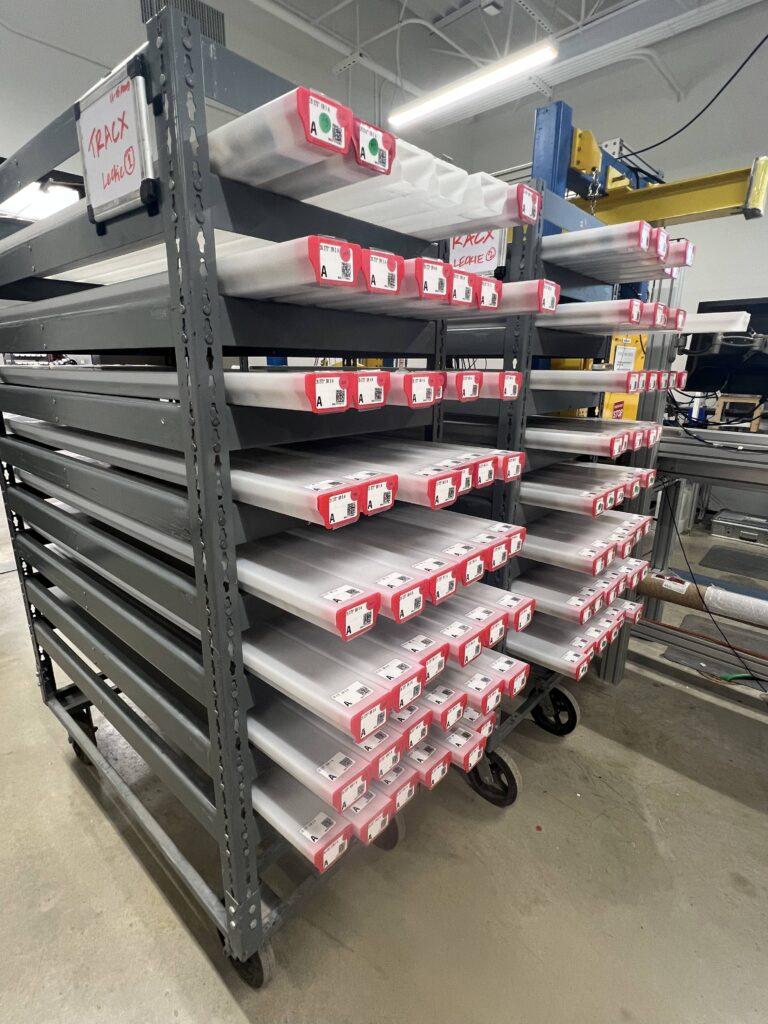
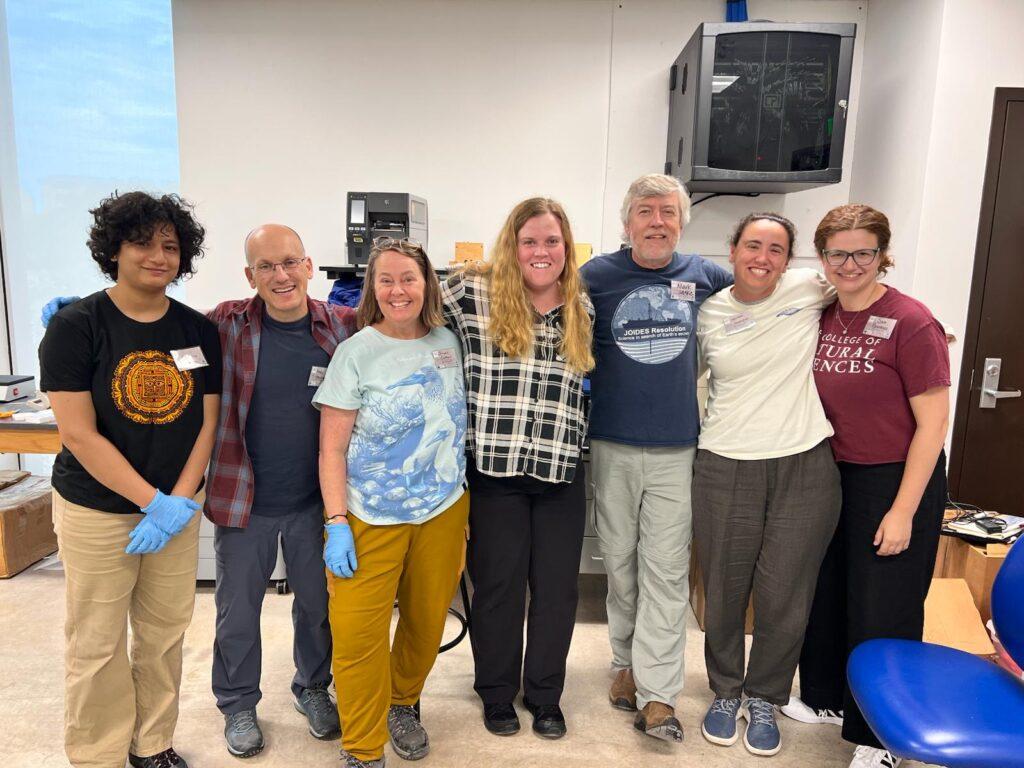
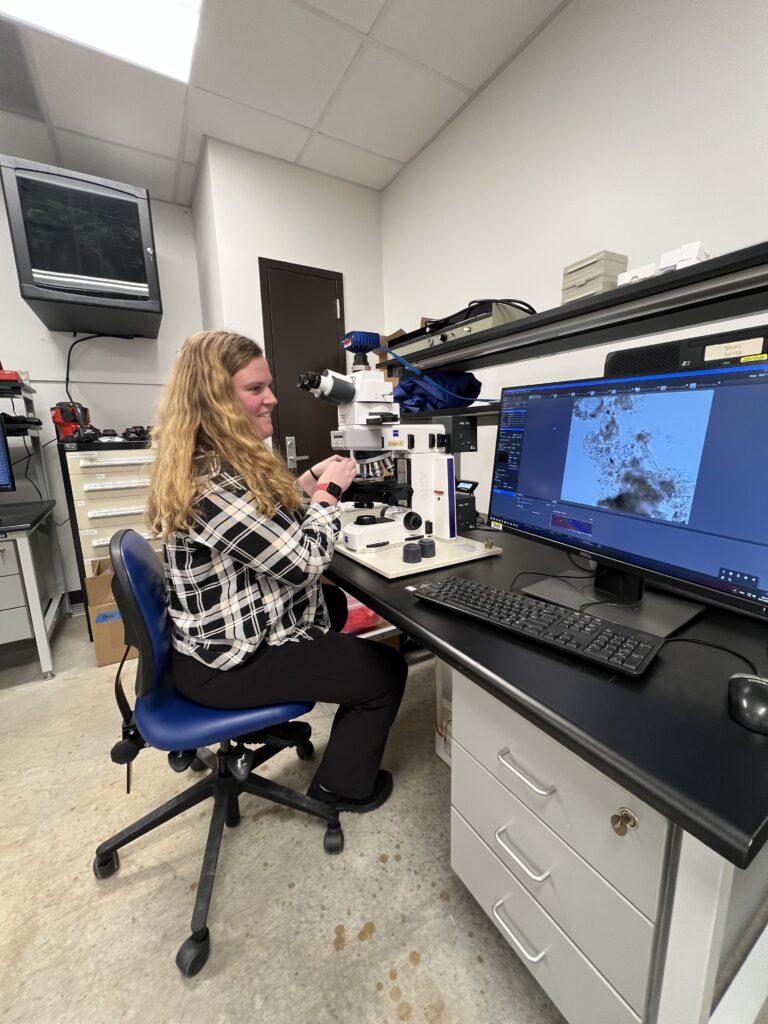
For the teacher side of TRACX, we all have a preliminary plan for our classroom lesson/lab to bring our exciting research and the data we collected this week into our classrooms. Today, in addition to finishing the NGR and magnetic susceptibility data collection, we identified our best microscope images. We analyzed ~20 microscope slides total, and captured several hundred images over the past three days working at the microscopes. We saw interesting diatoms (whole and fragments), sponge spicules, and plenty of angular grains – to just name a few things! These images, along with the NGR and magnetic susceptibility data, help us to interpret the conditions in the Ross Sea during the Miocene. What is deposited on the seafloor is indicative of the environmental conditions at the time of deposition. For example, was the Ross Sea covered by ice? Was the Ross Sea open water? This work contributes to the research goals of Dr. Mark Leckie and PhD Candidate Sam Bombard (UMass Amherst). I look forward to seeing their published work that will come out what we have done together this week. They have been incredible mentors and I really enjoyed working with them and with all the other teachers and researchers who also participated in TRACX. We have formed partnerships and friendships that will continue beyond this week for sure.
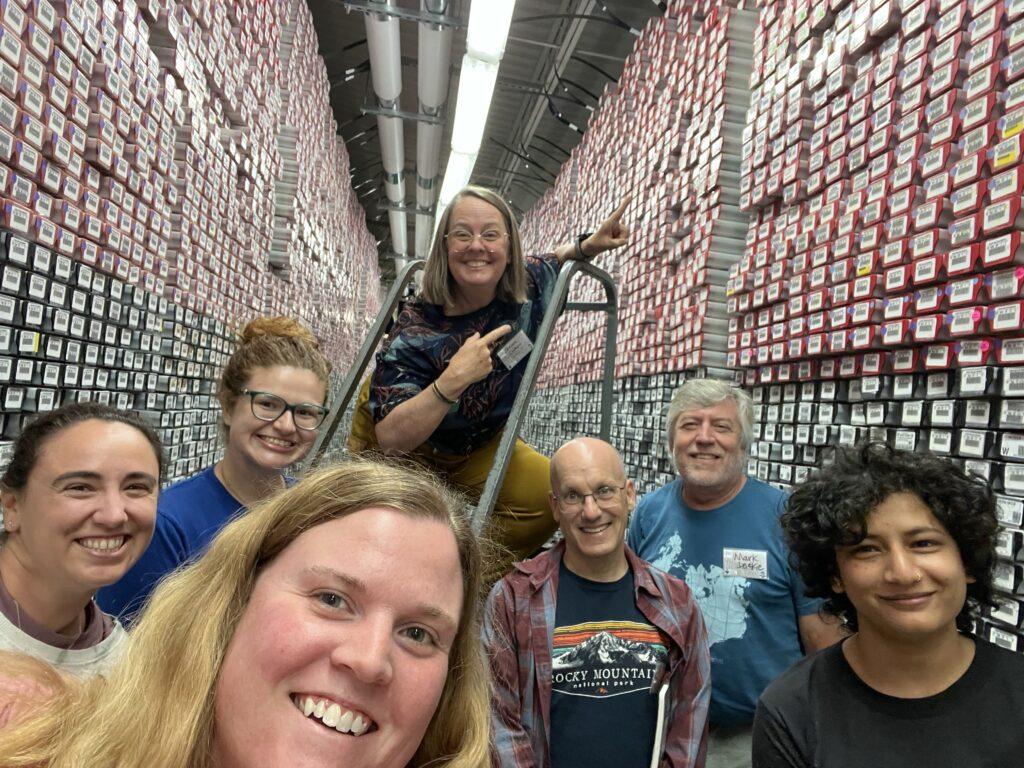
I absolutely loved the opportunity to dip my toes back into research this week and this has been the best way to re-energize myself going into this upcoming school year (my 4th year teaching!). I really hope TRACX continues to be an opportunity for other teachers and researchers going forward – we really had such an unforgettable time.
#scientificoceandrilling
#TRACX2025
#NSFfunded
Dr. Nicole R. Snyder
Phoebus High School
Hampton, Virginia